The God Who Leaves No One Behind

In the recent live-action Disney movie, Lilo and Stitch, there’s a line that’s repeated throughout the film you’ll probably remember if you saw it. "Ohana," the characters say, "means family, and family means no one gets left behind or forgotten." It’s a value that the two sisters in the movie turn to as they figure out what life looks like after the death of their parents.
In the Hawaiian language, Ohana is, in fact, the word for family. But its meaning extends beyond blood relationships to include close friends, neighbors, the broader community, or even a small alien creature. Ohana provides a powerful way of seeing oneself in relation to others—beginning with our closest connections—yet with the capacity to extend out, and ultimately, see all others as part of the human family.
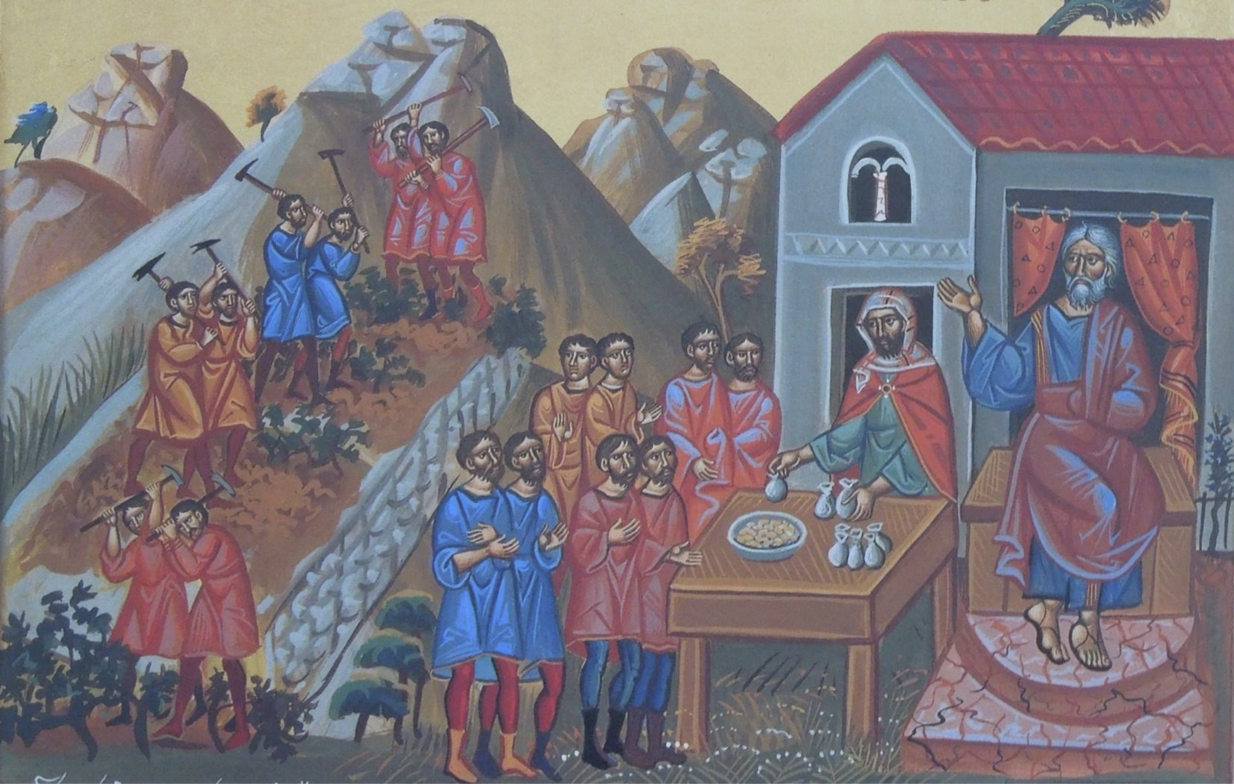
This big, openhearted approach is similar to what we see in our texts appointed for today and as a larger theme that shows up in Scripture. Like in the Gospel, where Jesus tells a parable about the vineyard workers in which everyone is included in receiving wages at the end of the day—even the workers who show up at the last hour. Or in the story from Jonah, where God cares about the Ninevites, though their actions have been undeserving, and even cares about their animals. Both Jonah and the psalm speak to God’s character, saying God is full of compassion, slow to anger, of great kindness, merciful, abounding in steadfast love, and ready to relent from punishing.
What we see in these texts is a God who is loving, gracious, and generous—to a fault, as Jonah or some of the vineyard workers see it. A God who doesn’t forget or leave anyone behind. This God loves creation so much, God would do anything to be with that creation. And it can’t be just part of creation—not even if it's 99%—as the parable of the Good Shepherd shows.
Critics of this kind of theology prefer to focus on God’s wrath and vengeance, on how God disciplines and the consequences for humanity, so much so that God begins to look more like an authoritarian than a Good Shepherd. God starts to resemble unhealthy expressions of human power rather than the God who subverts human notions of power, as we see in this parable. But when we look at Jesus’ teaching, God’s steadfast love and mercy are the overriding message throughout. And in Romans, where the apostle Paul talks about God’s vengeance, notice that this vengeance is then described as relentless love.
As Christ-followers, we are to be incarnations—that is, living, breathing examples—of that love on earth. And there is such joy in this! It means that we, as Paul’s teaching says, take on the same mind that was in Christ, which is to let our minds and hearts be transformed so that we are ready to love with the same abundance. To be people that say everyone’s gotta be in. Everyone’s gotta be included in our communities, our churches, our schools. We want them to be places for all.
It’s a really good feeling to not have to leave anyone out; to be able to say “Join the party.” It often feels like that here at church.
However, it can be hard to do when we are stuck in old patterns of thinking—the kind that say it’s everyone for themselves, that there’s not enough for everyone to get what they need, or that if I’m generous there won’t be enough for me. If you peel away the layers of why we exclude, you see it’s always rooted in insecurity, and it always comes back to love.
We live in a society where there’s a great amount of self-centeredness, and yet not very many people who are good at actually loving themselves. Perhaps this is why it’s included as part of the Great Commandment Jesus gives, where he tells us the most important command of all is that we love God and love the neighbor as ourselves. We can’t obey the Great Commandment unless we are loving ourselves.
We may know this intellectually, and so we’re like, "OK, loving myself, check, I will do that." But do we love ourselves as well as we love the other people in our lives? Is the way we love ourselves backed up with meaningful action? We might think that loving ourselves is having a positive regard, but that’s different than love.
So we have to look at what we’re doing and ask: Are we doing things to take care of ourselves? Are we doing things that make us come alive? Are we allowing ourselves to say no when needed and show up with integrity? It’s possible we’ll find that we aren’t following that part of the command well at all.
When we start asking, "What do I need?"—not just what do I want, but what do I need in order to love myself well?—and when we start to figure out what those things are and give them attention, we see we can ask the same for the other people in our lives. What do they need and how can that need get met? We see these things don’t have to be at odds. We may think it’s like there’s only so much, so one of us is gonna get our needs met and one is gonna go without. But what we find when we ask these questions, and come to it with God's spirit of abundance, is that it doesn’t have to be either-or. There is enough.
And it also makes sense that this is why God would ask us to hold the responsibility to self and other in tension in the way the Great Commandment is articulated. Our love for ourselves and our love for our neighbor have to be pursued together. These things have to go together.
Which brings me back to the Lilo and Stitch movie. In the movie, the older sister has sacrificed a great deal on behalf of her younger sister, letting go of her dreams so she can take care of her. But as the grandma says in a poignant moment, "Ohana means family, and family means no one gets left behind or forgotten—and you can’t leave yourself behind, too."
As we seek to love and have the generous spirit that leaves no one behind, we can’t leave ourselves behind. We can’t give people love that we haven’t given ourselves. But loving ourselves is what helps us move beyond jealousy and scarcity—the kind we see in Jonah and in the vineyard workers—to where, when we see someone receiving grace, compassion, or good things, we don’t immediately go to comparing ourselves with them and getting upset. Rather, we can be happy for them and say, "Let me celebrate with you." Or as someone recently said, when you are getting your needs met, you don’t have to be stingy.
God is a God who doesn’t forget anyone or leave anyone behind. We are to be people who don’t forget anyone or leave anyone behind. And honestly, that might be one of our greatest strengths. We don’t know what tomorrow will bring, but it feels better if you’re not going there alone, if you have people in your life who aren’t perfect, but who love you and are looking out for you.
And that’s what I see in this community. There’s something refreshing about how genuine people are and how much people really do care about each other, look out for each other, and take that extra step to ask, "How are you really doing?" or "How can I help?" It doesn’t feel like you have to put on a church facade or act a certain way, or try to get your kids to act a certain way. You really can show up as you are. This is a community of love and belonging, and you are what makes it a church for all.
We need more places like this and people who make them so. Because all are in the family of God, where no one is left behind or forgotten.

-
Location